
Will A New Roof Increase Property Value?
Your roof is one of the first things people notice about your home. It sets the tone before anyone even steps through the front door. So when it’s looking tired, saggy, or covered in moss, it doesn’t just look bad it actively costs you money.
But does replacing it actually add value? Or is it just expensive damage limitation?
The honest answer: it depends. But in most cases yes, a new roof will increase what buyers are willing to pay, and more importantly, what they’re willing to offer in the first place.
What The Numbers Say
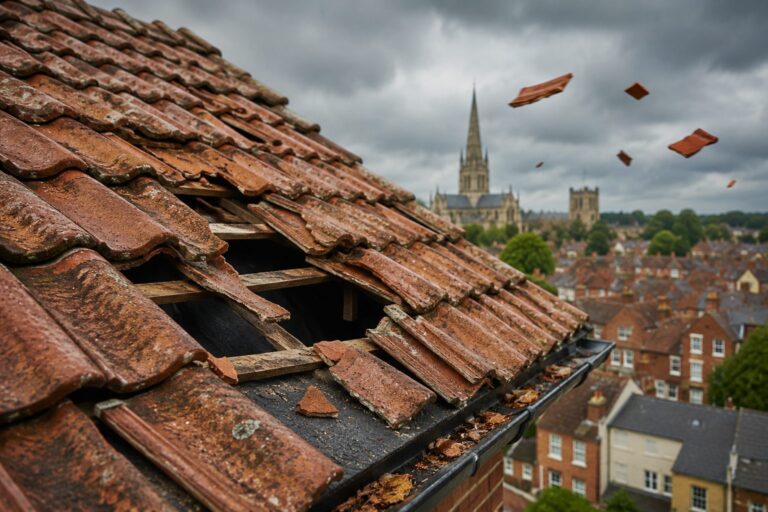
Estate agents and surveyors across the UK will tell you the same thing: roofing condition is one of the first things buyers and their lenders look at. A report by the HomeOwners Alliance found that structural issues and a failing roof sits firmly in that category can knock between 10% and 20% off a property’s value.
Let’s make that real. If your home is worth £300,000 with a sound roof, a failing one could see buyers offering £240,000 or less. That’s a £60,000 gap, for a job that might cost £7,000 to £15,000 to put right.
The maths isn’t complicated. The hesitation usually is.
Why Buyers Care So Much About Roofs
Put yourself in a buyer’s shoes for a moment. You’re about to commit to the biggest purchase of your life. You want certainty. A bad roof screams the opposite.
Here’s what a visibly poor roof tells someone the moment they spot it:
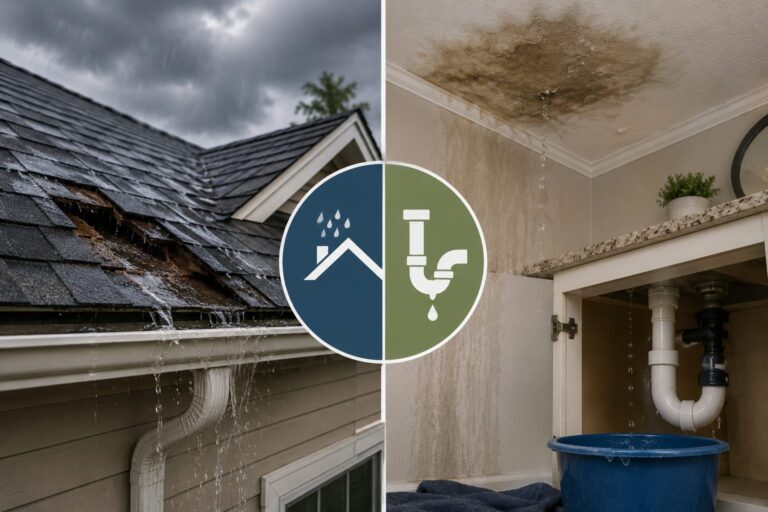
- Hidden costs are coming. Even if the roof looks like it might hold on, buyers assume there’s more going on underneath, damp, rot, insulation problems that won’t show up until they’re living there.
- The seller hasn’t looked after the place. That thought then spreads. What else has been left?
- Their mortgage might fall through. Some lenders won’t lend on properties with roofs in poor condition. That immediately shrinks who can even buy your home.
- The survey will flag it. And once it’s in writing, buyers have a cast-iron reason to chip the price or walk away entirely.
A new roof takes all of those worries off the table in one go.
The Difference Between Adding Value And Protecting It
Here’s something worth being straight about. A new roof doesn’t always add value in the way people imagine as in, spend £10,000 and the house is worth £15,000 more.
What it more often does is protect the value you already have.
If your home is priced fairly for the area, a new roof won’t push it above comparable properties nearby. But a failing roof will almost certainly pull it below them. You’re not so much gaining ground as refusing to lose it.
That said, there are situations where a new roof does genuinely move the needle:
- When the old one was clearly past it – a battered felt flat roof swapped for a modern warm roof system, say, or a patchwork of mismatched tiles replaced with a clean, consistent finish.
- When it transforms how the house looks from the street – a fresh slate or tile roof on a period property can look genuinely smart. Kerb appeal is real, and buyers respond to it.
- When it brings the running costs down – a properly insulated new roof can make a noticeable dent in heating bills, and buyers these days are paying close attention to that.
Does The Material You Choose Matter?
It does, quite a bit. What goes on top of your house signals quality or the lack of it, before anyone’s even read the listing.
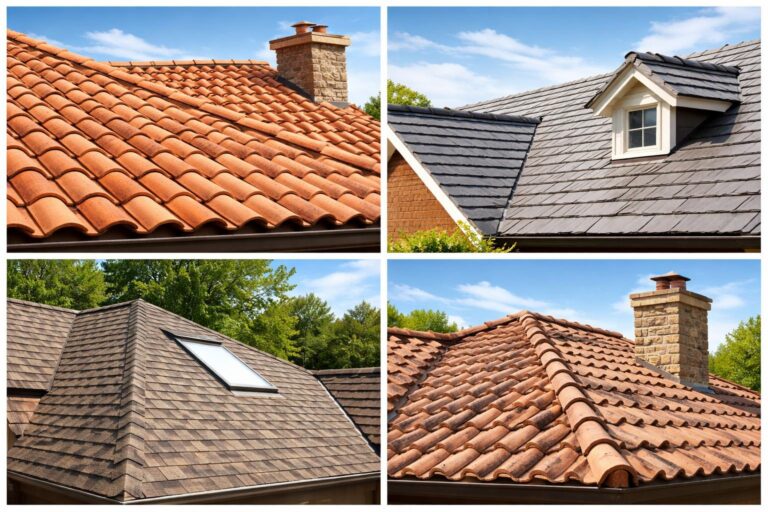
Natural slate sits at the top of the pile for most UK buyers. It lasts 80 to 100 years with proper care, looks the part on older properties, and is what discerning buyers in the mid-to-upper market tend to look for specifically. If you’re going to spend money on this, slate tends to give you the best return.
Concrete and clay tiles are the reliable standard across most of the country durable, familiar, and appropriate for the vast majority of homes. A neat, well-fitted tiled roof reads as solid and well-maintained. Expect 40 to 60 years of life from a quality job.
Artificial slate usually fibre cement, gives a similar look to the real thing at a lower price. It performs well and can be a sensible middle ground, though buyers who know their materials will still spot the difference.
Felt flat roofs tend to set alarm bells ringing. They’re associated with shorter lifespans and more fuss over the years. If you’re replacing a flat roof, it’s worth upgrading to GRP fibreglass, EPDM rubber, or a warm roof system. These options carry far better lifespans and are viewed much more favourably by buyers and their surveyors.
A New Roof Can Speed Up Your Sale Too
This is where a lot of people don’t think it through. The value isn’t always about the asking price. Sometimes it’s about how smoothly the sale actually goes.
Homes with roofing problems sit on the market longer. They get fewer viewings. They attract conditional offers “we’ll pay X, but only if you sort the roof first.” And they fall through at survey stage more often than sellers ever expect when they’re setting a price.
A new roof removes the single most common structural objection buyers raise. It means:
- Surveyors have less to flag in their report
- Lenders have less reason to reduce what they’ll offer
- Buyers feel confident enough to make a clean, unconditional offer
- Sales are less likely to collapse halfway through
In a market where getting to completion matters and for most sellers it matters enormously that certainty is worth real money, even if it doesn’t show up as a line on the estate agent’s valuation.
A Quick Word On Planning Permission
Most like-for-like roof replacements in England don’t need planning permission. They fall under permitted development and you can just get on with it.
But there are situations where that changes:
- Listed buildings need listed building consent for any roofing work, full stop, even if you’re using the same materials.
- Conservation areas may limit what materials you can use, particularly where natural slate or clay tiles are traditional.
- Flat-to-pitched conversions usually do need permission, because you’re changing the appearance and potentially the height of the building.
Always check with your local planning authority before work starts. Get it wrong, and it can surface as a problem when you come to sell, solicitors will ask, and an unpermitted alteration can hold everything up.
Getting The Work Done Properly
A new roof only does its job if it’s installed well. A sloppy installation can be worse than the old roof creating new leaks, voiding warranties, and handing surveyors fresh problems to write up.
When you’re choosing a roofer, these are the things that actually matter:
- A written quote that spells out materials and methods – vague quotes leave too much room for corners to be cut once the scaffolding goes up.
- Guarantees on both workmanship and materials – a solid job should come with at least a 10-year workmanship guarantee. Manufacturer warranties on materials can stretch to 25 or 40 years depending on what you’re using.
- Public liability insurance – non-negotiable. Always ask, and always get confirmation in writing.
- Local references or recent work you can actually go and look at – any good roofer operating in your area should be able to point you to jobs they’ve done nearby.
Good paperwork from a reputable contractor Like Point Roofing is something you can hand straight to a buyer. It removes doubt. That has value. If you would like to discuss your roof contact us for a chat.
So Should You Do It Before You Sell?
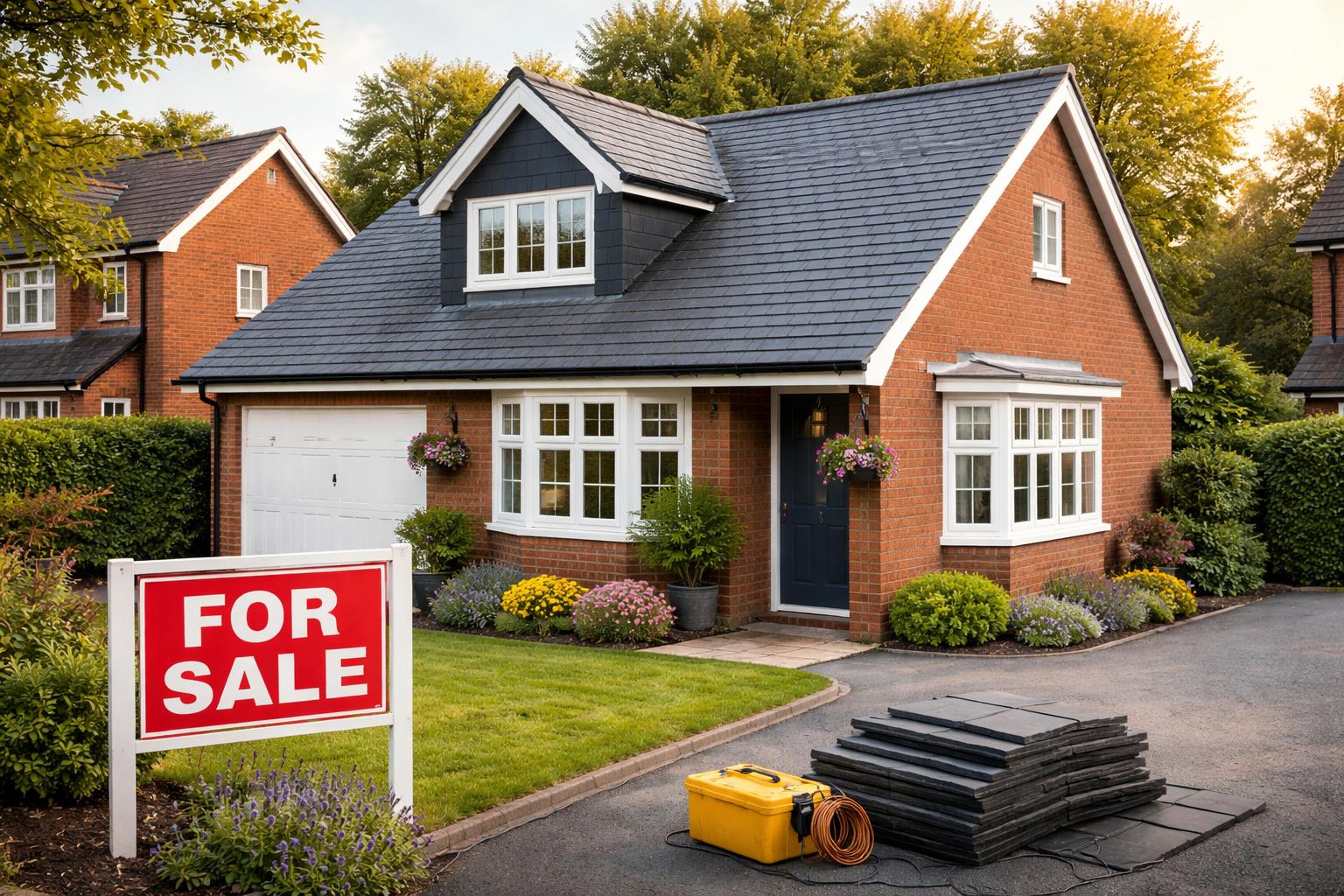
If the roof is genuinely struggling and you’re planning to sell in the next few years, replacing it is almost always worth thinking seriously about.
The temptation is to just knock money off the asking price instead and let the buyer deal with it. In theory, that sounds reasonable. In practice, it rarely works in your favour. Buyers don’t just reduce their offer by the cost of the job, they factor in the hassle, the disruption of living in a building site, and the risk that it turns out to be worse than it looked. You’ll almost always give away more than the roof would have cost you.
That said, if you’re selling soon and the roof is borderline, not failing, just getting on a bit, it’s worth getting a couple of quotes and having an honest conversation with your estate agent before you commit to anything.
Your agent will know how buyers in your local market are reacting to roofing conditions right now. That’s the kind of on-the-ground knowledge that should shape your decision.
The Bottom Line
A new roof won’t transform a £200,000 home into a £250,000 one overnight. But it protects your position, takes away the objection that derails more sales than most people realise, keeps lenders happy, and more often than not, it’s the difference between a straightforward sale and a stressful one.
Never underestimate what a clean, solid roof says to someone standing on your driveway for the very first time. It says this home has been looked after. And that quietly, powerfully, matters more than most sellers ever expect.