
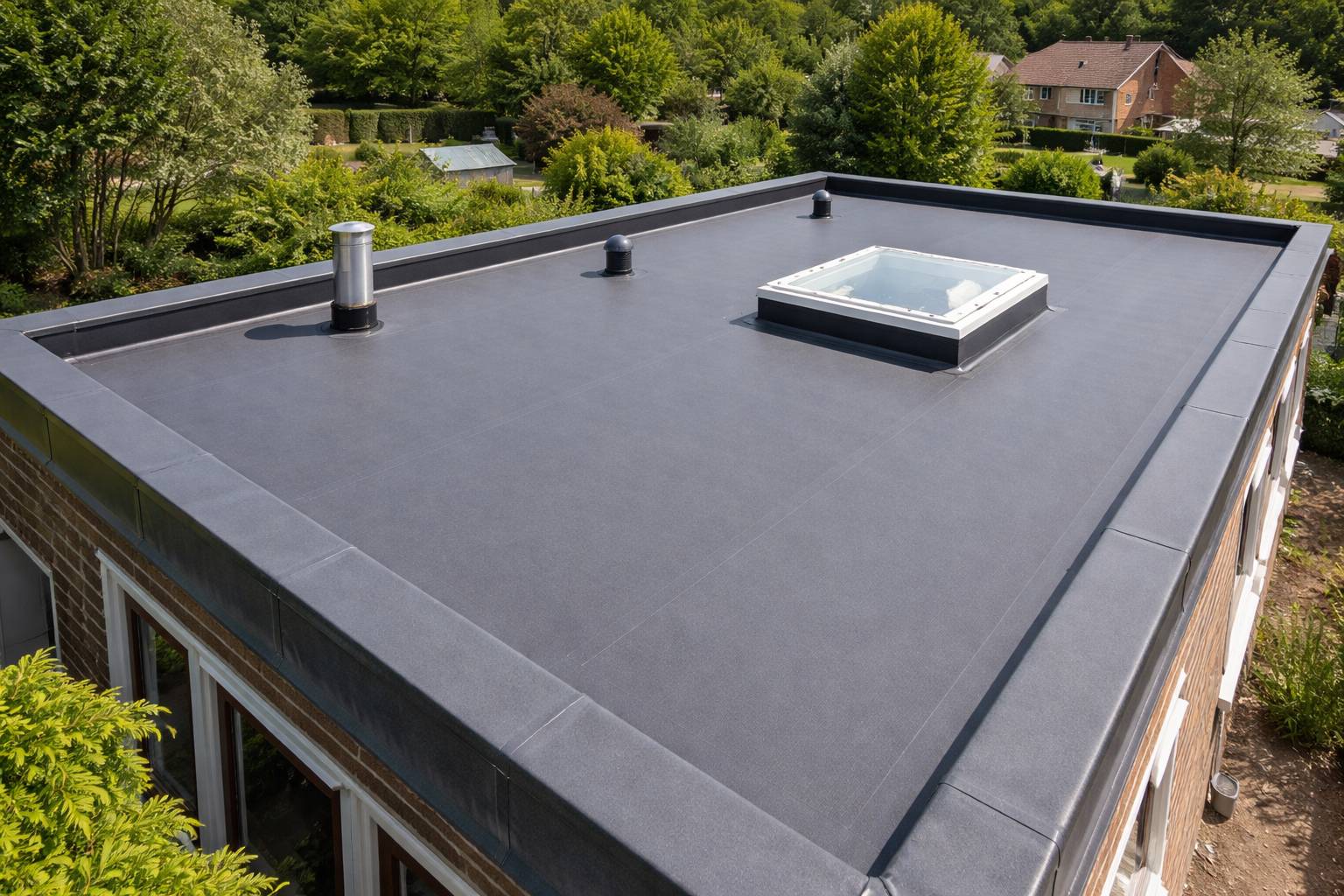
The Question Every Homeowner Eventually Asks
You’re standing in your garden, staring at the plans. The builder has handed you two quotes. The flat roof option is cheaper, sometimes by a fair margin. And right now, that gap feels significant.
But is that lower number the whole story?
Almost never.
Flat roofs and pitched roofs carry very different cost profiles once you look beyond the installation day. Understanding where the savings actually appear and where they quietly disappear over time, could genuinely save you thousands. Not just hundreds. Thousands.
What Does a Flat Roof Cost to Install?
Installation is where flat roofs earn their reputation for being the affordable choice and our easy to install for an expert roofing company.
A standard flat roof installation in the UK typically costs between £70 and £120 per square metre, depending on the material and where you live. A pitched roof, by comparison, often runs between £150 and £250 per square metre once you account for the additional structural timber, tiles, and the extra labour hours that go with them.
Why the difference?
- Flat roofs need less structural timber to support them
- The surface area is smaller relative to the footprint below
- Installation is faster, which brings labour costs down
- There are no ridge tiles, hip tiles, or fiddly cuts around valleys
For a typical extension measuring 4m x 5m, that’s 20 square metres, you could be looking at a saving of £1,600 to £2,600 on installation alone. That’s a decent holiday, a new kitchen appliance, or a healthy chunk off your contingency budget.
But installation is only one chapter of the story.
Which Flat Roof Material Should You Choose?
Not all flat roofs are built the same way, and the material you choose has a bigger impact on your wallet than most people realise.
Felt (built-up bitumen felt) The cheapest option going in. Expect to pay around £40–£60 per square metre. The catch? Traditional felt typically lasts only 10–15 years before it starts to fail. For a 20m² roof, you’re looking at a full replacement cost every decade or so. That adds up fast.
EPDM rubber roofing A mid-range option at £70–£100 per square metre. EPDM is tough, handles UV exposure well, and can last 40–50 years with sensible upkeep. Small repairs are straightforward too, a minor puncture can often be patched for under £50 by a competent roofer in a couple of hours.
GRP fibreglass Costs around £80–£120 per square metre to install. Fibreglass is seamless, handles the British weather stubbornly well, and typically lasts 25–30 years. It’s become the go-to choice for garage roofs and single-storey extensions across Norfolk and the wider UK.
Liquid waterproofing systems These newer systems start from around £100 per square metre, but the longevity, up to 25 years and the fact that they can be applied directly over existing surfaces (saving on costly strip-out work) make them worth a serious look.
The pattern is clear: paying a little more upfront for EPDM or fibreglass tends to deliver far better value than opting for the cheapest felt option and crossing your fingers.
The Maintenance Reality
Here’s where a lot of homeowners get caught off guard.
Flat roofs don’t shed water the way a pitched roof does. Water lingers. Leaves and debris accumulate in the corners. A tiny crack in the wrong place, left unchecked through a wet Norfolk winter, stops being a minor issue fairly quickly.
Staying on top of it isn’t complicated, but it does require a bit of discipline:
- Clear drains and outlets at least twice a year, autumn and spring as a minimum
- Check for ponding water after heavy rainfall and investigate if it’s still sitting there 48 hours later
- Inspect flashings and upstands for signs of cracking, lifting, or gaps
- Keep an eye on any sealant around rooflights or pipe penetrations
A professional inspection every 2–3 years is a sensible precaution, typically costing £100–£200. Minor repairs, patching a small crack, resealing a flashing, usually come in between £150 and £400.
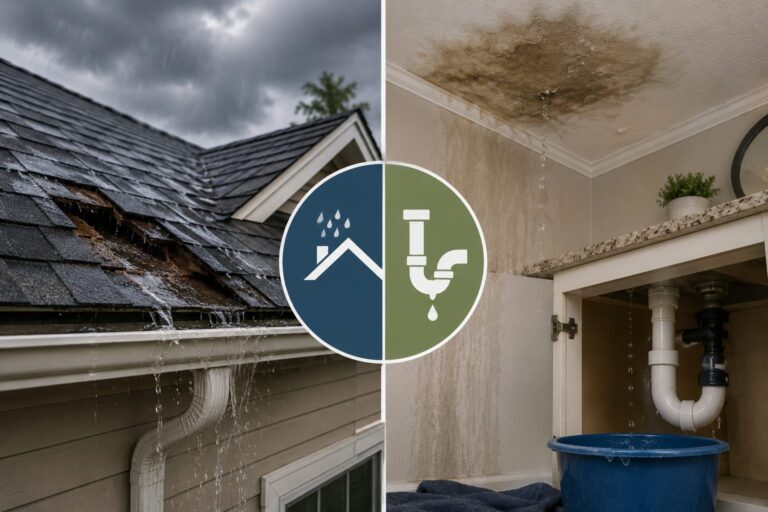
Ignore all of that, and water will find its way in. Once damp gets into a ceiling or starts working its way into structural timbers, you’re not dealing with a roofing job anymore, you’re dealing with a building repair. Costs can jump to £3,000–£5,000 once internal damage is factored in. Sometimes more.
Pitched roofs aren’t free of maintenance either. A broken tile costs £100–£150 to replace. Repointing a ridge runs to £300–£500. But the slope does a lot of the heavy lifting, water clears quickly, and problems tend to be slower to develop.
How Does Lifespan Affect the True Cost?
This is the calculation most people skip, and it’s the one that matters most.
Let’s put some real numbers against it for a 20m² extension roof.
Felt flat roof: At £60/m², installation costs £1,200. With a 12-year lifespan, that’s roughly £100 per year.
EPDM flat roof: At £85/m², installation costs £1,700. With a 40-year lifespan, that works out at just £42.50 per year.
Pitched roof equivalent: At £200/m², installation costs £4,000. Over a 60-year lifespan, that’s £66.67 per year.
Run those numbers across 40 years and the cheap felt roof needs replacing three times. Total cost: roughly £3,600. The EPDM roof, installed once, costs £1,700. The maths shifts dramatically when you stop thinking about today and start thinking about the next two decades.
So ask yourself, are you pricing for this year, or for the life of your home?
Heating, Insulation, and the Bills You Didn’t Expect
Here’s a cost factor that barely gets mentioned in most flat roof conversations: what it does to your heating bills.
A poorly insulated flat roof loses heat at a rate that shows up on your energy bills every single month. Current building regulations set a minimum U-value of 0.18 W/m²K for flat roofs, but plenty of older properties are nowhere near that standard.
Upgrading insulation during installation, using rigid PIR boards, for instance, typically adds £20–£40 per square metre to the job. It’s not a trivial addition. But it can cut heat loss through the roof by up to 75%.
A well-insulated flat roof on a typical extension could realistically save £80–£150 per year in heating costs compared to a poorly insulated one. Over 20 years, that’s a potential saving of £1,600–£3,000. Suddenly the insulation upgrade pays for itself several times over, without you doing anything differently.
The Practical Upsides People Overlook
Flat roofs get a bad press. But there are genuine advantages that go beyond the price tag.
- They sit within permitted development height limits more comfortably, which can simplify the planning process
- They suit contemporary extensions and garden rooms in a way that a pitched roof simply doesn’t
- A flat roof can become a usable space — a roof terrace that adds real square footage to a urban property
- Access for maintenance, solar panels, or rooftop equipment is far easier than scrambling up a pitch
Converting a flat roof into a proper terrace adds cost — typically £1,500–£4,000 for decking, balustrades, and enhanced waterproofing, but in cities and larger towns, the resulting space can add considerably more than that to the property’s value.
Insurance and Mortgages — Worth Checking Before You Commit
This one catches people out more than you’d expect.
Some insurers still apply higher premiums to properties with flat roofs, particularly felt ones. The logic is simple: felt roofs leak more often, and insurers price accordingly. Premium increases of 10–25% are not unusual for affected properties.
Some mortgage lenders also place conditions on flat-roofed homes, especially where the flat roof covers a substantial part of the main dwelling. This rarely affects an extension, but if you’re buying or remortgaging, it’s worth having that conversation with your broker before you finalise anything.
The good news is that modern materials, EPDM and GRP in particular, have largely shifted attitudes. Many insurers now treat them on equal terms with a pitched roof. Just confirm your insurer’s position before the scaffolding goes up.
So, Is a Flat Roof Actually Cheaper?
Honestly? It depends on three things: the material you choose, how committed you are to basic maintenance, and how long you’re planning to stay in the property.
On installation alone — yes, almost always cheaper.
Over a lifetime, it’s more nuanced:
- Cheap felt: Lower cost today, higher cost over time
- Quality EPDM or GRP: A little more upfront, noticeably less over the long run
- Pitched roof: Higher initial spend, but very low maintenance and exceptional longevity
For most people adding an extension or outbuilding in the UK, a quality flat roof system, properly insulated, professionally fitted, and given a basic annual check, represents genuinely good value. It won’t win every comparison. But approached with the right material and a bit of ongoing care, it can absolutely be the smarter financial call.
Stop asking your builder “can we do this cheaper?” Start asking “which option costs me least over the next 20 years?”
That’s the question that will actually steer you right.
Key Takeaways
- Flat roofs typically save 20–40% on installation versus a pitched equivalent
- Material matters enormously — EPDM and GRP leave felt well behind on lifespan
- Basic annual maintenance is non-negotiable if you want to protect your investment
- Insulation upgrades cost more upfront but pay back through lower heating bills
- Check your insurer’s position on flat roofs before committing to the spec
- Whole-life cost, not installation day cost, is the number worth focusing on